Uncover the Benefits of Postpartum Massage: A Complete Guide for New Mothers-to-Be
The journey of postpartum recovery presents challenges for new mothers. Emotional stress and physical discomfort frequently occur during this time. Postpartum massage offers significant benefits that can ease these challenges. This practice not only aids healing but also strengthens the mother-baby connection by relieving muscle tension and encouraging relaxation. Understanding these advantages is essential for any new mother seeking self-care. What might this nurturing experience reveal about the postpartum process?
Grasping After-Birth Healing
Although the postpartum period is often celebrated for the arrival of a new baby, it also signifies a essential phase in a mother's recovery. This period, which lasts approximately six to eight weeks following childbirth, involves considerable physical and emotional adjustments. Mothers experience several changes, including hormonal fluctuations, fatigue, and potential complications from delivery.
Comprehending postpartum recovery requires recognizing the wide-ranging challenges new moms face, including emotional well-being and physical healing. The transition to motherhood can induce feelings of anxiety, sadness, or even postpartum depression, impeding the recovery process. Furthermore, physical concerns like soreness, pelvic floor dysfunction, and changes in body image may emerge.
Support structures, including healthcare professionals and family members, play a vital role in facilitating recovery. Knowledge about the postpartum experience can equip mothers, helping them manage the challenges of this transformative stage with greater awareness and resilience.
The Physical Advantages of Postpartum Massage
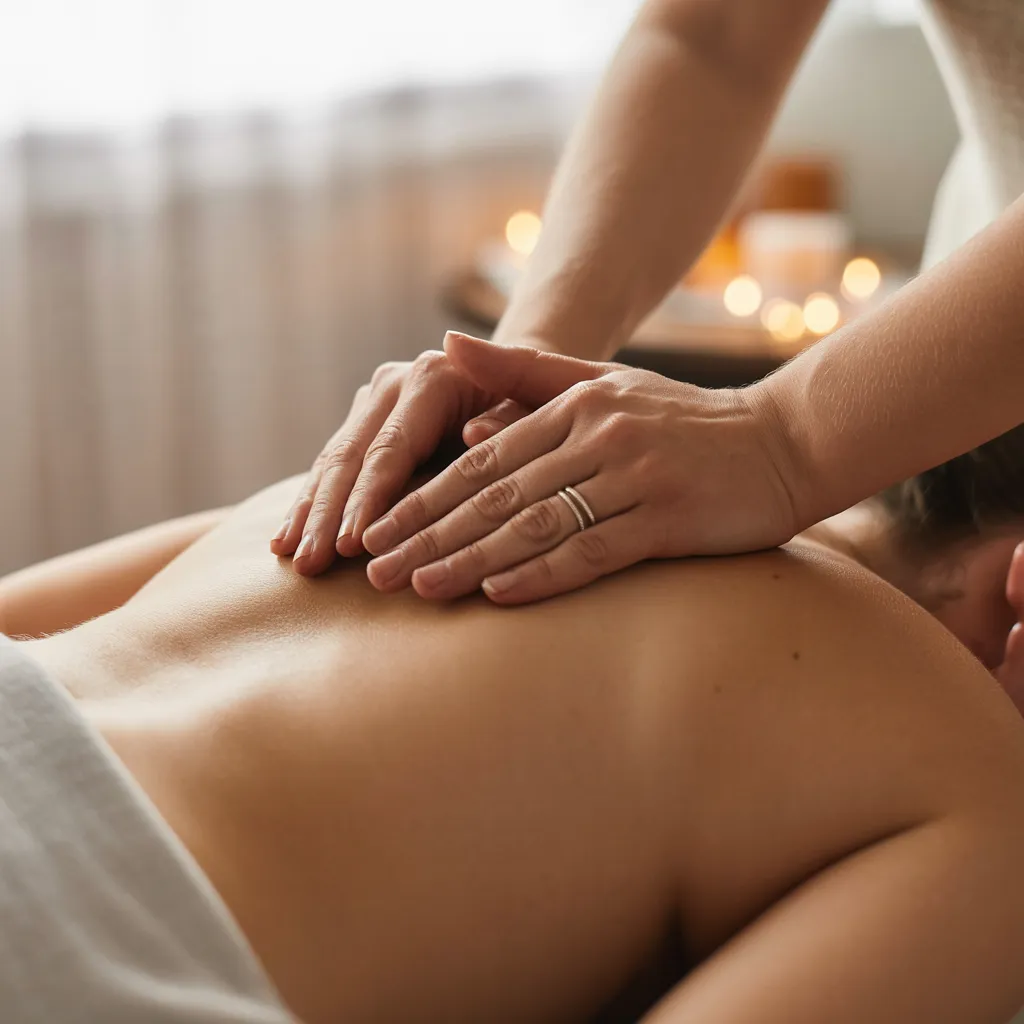
Postpartum massage provides many physical advantages that can significantly assist a mother's recovery after childbirth. This therapeutic practice helps ease muscle tension and soreness, particularly in areas influenced by pregnancy and labor, such as the back, shoulders, and hips. By stimulating circulation, postpartum massage improves blood flow, which can expedite the healing process and minimize swelling. Additionally, it aids in the realignment of the pelvis and spine, helping return the body to its pre-pregnancy state.
Additionally, postpartum massage can aid lactation by stimulating the mammary glands, making it less challenging for mothers to breastfeed. It also facilitates the release of oxytocin, promoting uterine contractions that contribute to postpartum recovery. By managing these physical challenges, postpartum massage plays a significant role in a new mother's overall physical health, helping her regain strength and mobility as she navigates the demands of motherhood.
Psychological Health and Stress Alleviation
Physical recuperation after delivery commonly overlaps with emotional struggles that new mothers confront. Postnatal massage functions as an effective method for tackling these emotional challenges. The nurturing touch of a skilled massage therapist can promote relaxation and reduce anxiety, helping to alleviate feelings of overwhelm commonly experienced after delivery. Through cultivating a feeling of tranquility, postnatal massage helps in stabilizing mood and improving emotional health.
Moreover, the release of endorphins during massage sessions leads to an overall sense of well-being and comfort. This practice encourages new mothers to create essential self-care time, which can be life-changing amidst the demands of motherhood. The focused attention on the body enables women to reconnect with themselves, alleviating feelings of isolation or stress. Ultimately, incorporating postpartum massage into recovery routines can considerably enhance emotional resilience, providing a supportive environment to navigate the complexities of new motherhood.
Building Attachment With Your Baby
A lot of new moms learn that regular massage can greatly enhance bonding with their babies. This intimate practice nurtures a loving environment, allowing mothers to connect physically and emotionally with their babies. Skin-to-skin contact during massage stimulates the release of oxytocin, commonly referred to as the "bonding hormone," which can enhance maternal instincts and increase feelings of closeness.
In addition, the comprehensive resource calming effects of massage can establish a peaceful atmosphere, making it simpler for mothers to be present and attentive to their child's needs. As they participate in this tactile interaction, both mother and child can feel a sense of relaxation, which can further deepen their attachment.
Furthermore, incorporating gentle movements and rhythmic touch can enable babies to feel protected, promoting trust and attachment. Overall, postpartum massage serves as a valuable tool for nurturing a deep bond, vital for both the mother's and infant's emotional wellness.
How to Choose a Postpartum Massage Therapist
In what way can new mothers ensure they find the most suitable massage therapist for their postpartum needs? First, they should search for therapists who specialize in postpartum care, as this guarantees familiarity with the unique physical and emotional challenges new mothers face. Verifying credentials is critical; therapists should be licensed and certified in techniques relevant to postpartum recovery.
Following this, mothers can request recommendations from healthcare providers or fellow new mothers. Online reviews and testimonials may also provide insight into a therapist's competence and approach. A personal consultation is beneficial, allowing mothers to discuss their individual needs and concerns, assuring the therapist understands their preferences.
In conclusion, convenience is important; mothers should consider location and availability to suit their schedules. By implementing these measures, new mothers can discover a qualified therapist who facilitates their postpartum recovery, encouraging both physical healing and emotional well-being during this transformative period.
FAQ
What's the Ideal Time to Book a Postpartum Massage Following Delivery?
Postpartum massage is typically available from two to six weeks after childbirth, depending on each mother's recovery timeline and doctor's advice. It's essential for new mothers to discuss with their healthcare professionals before scheduling a session.
Can Breastfeeding Mothers Safely Receive Postpartum Massage?
Postpartum massage is generally safe for breastfeeding mothers, as long as they discuss their requirements and concerns with the massage therapist. It can promote relaxation and enhance recovery while maintaining comfort throughout the nursing journey.
What Should I Wear for My Postpartum Massage Session?
In the course of a postpartum massage, it is recommended to wear relaxed, baggy clothing. Most people choose to disrobe to their personal comfort, often using a towel or sheet for modesty while maintaining easy access for the massage therapist.
Is Postpartum Massage Effective for Diastasis Recti?
Postpartum massage may help with managing diastasis recti by stimulating blood flow, easing tension in core muscles, and supporting overall healing. Nevertheless, it should complement other targeted exercises for best results in recovery.
How Long Should a Postpartum Massage Session Last?
A postpartum massage session typically lasts between 60 and 90 minutes. This time period enables sufficient focus on the mother's needs, encouraging relaxation and recovery while targeting particular issues related to physical changes after childbirth.
Comments on “Postpartum Massage Near Me for Stress Relief”